One of my goals for 2020 was to read more. I read about two hours each night, and I read 45 books altogether. I read mostly popular non-fiction books about personal productivity, business management, education, and a few novels I had on my bookshelf. In this blog post, I summarize the books I read about personal productivity.
Chip & Dan Heath – Made to Stick
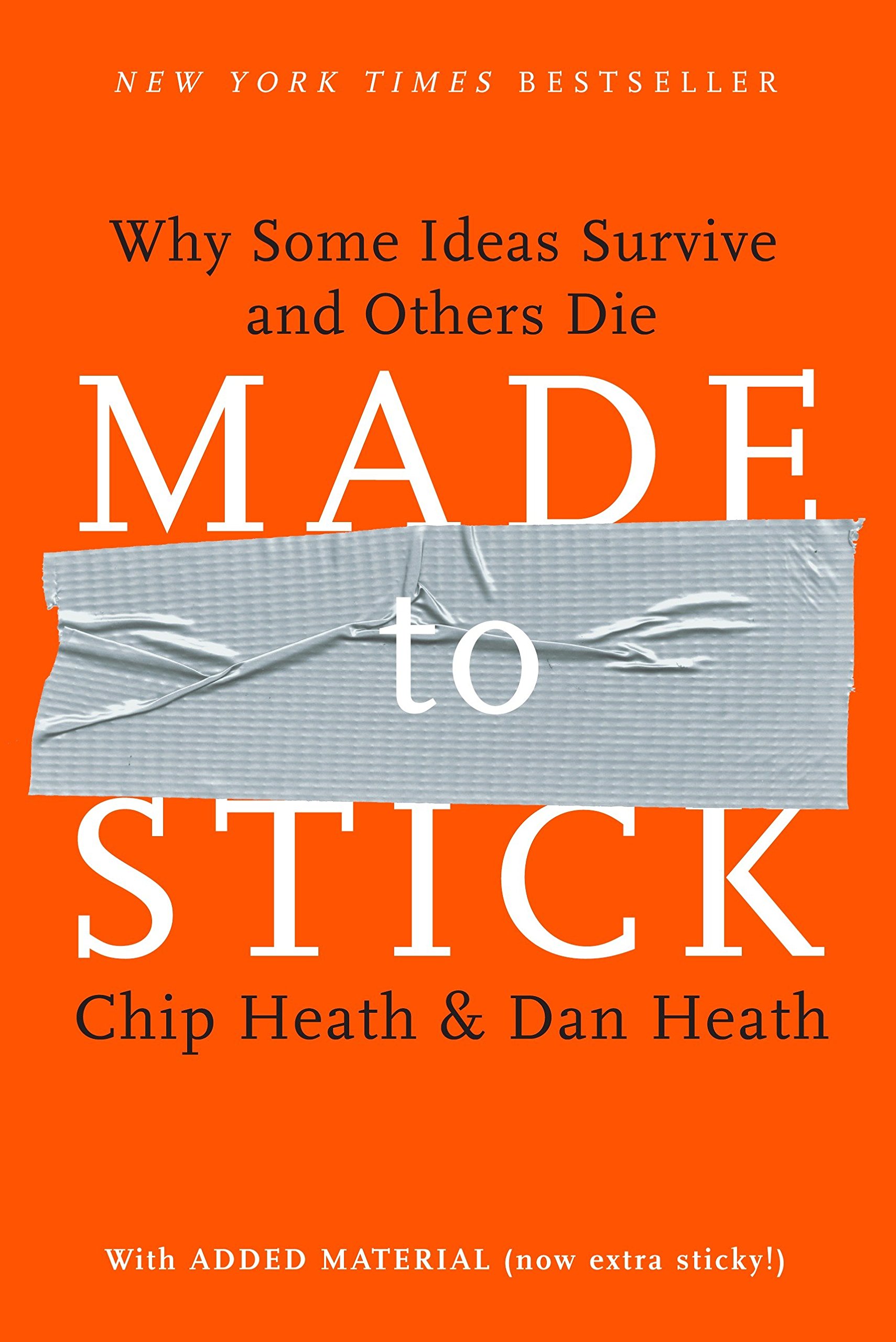
Chip and Dan Heath are brothers (one is a professor, the other a journalist) who have written many popular books about productivity and organizational effectiveness. In Made to Stick, they expand on Malcolm Gladwell’s idea of a “stickiness factor” (attributes that make ideas “go viral”), and they explore more fully what makes ideas “stick.” Their book describes several characteristics memorable ideas. These include that the idea be a story, be simple, be unexpected, be concrete and specific, come from a credible source, and strikes you emotionally. This book is useful for anyone who is looking to develop more memorable stories. It is also useful for teachers and student who are looking for ways to remember more information. I have heard them talk about their other books on several podcasts, and look forward to reading them soon as well.
Ray Dalio – Principles
Ray Dalio is a billionaire hedgefund manager and CEO of Bridgewater Associates, one of the largest hedgefund management organizations. His book describes how he has created theories (what he calls “principles”) for many life and financial situations. The book describes a five-part process for analyzing a situation, creating a plan that responds to that situation, and then applying the plan when there is a similar situation.
The book has three large sections. The first section presents Dalio’s biography about how he came to establish Bridgewater Associates and the major experiences of his life. Part 2 speaks about his principles (or strategies) for personal success. These include principles such as embracing reality, being open-minded, understanding differences between people, and making effective decisions. Part 3 is more of a manual or handbook for organizational success. Organizational strategies include developing an organizational culture (through transparency, meaningful work and relationships, acceptance of mistakes), hiring the right people, and developing effective internal processes. The book is very creative in how it uses color and layout, but it is very dense, and it doesn’t lend itself to casual reading.
Anders Ericsson – Peak
Anders Ericsson is a psychology professor who has helped create the field of “performance studies.” In this book, he explores what puts professionals at the top of their field. He explains that professionals get to the peak of their abilities by engaging in “deliberate practice” (a term he created and has made famous), which he describes as very focused practice that is meant to push a person’s skill beyond their current ability. Deliberate practice also includes a clear understanding what makes someone successful; Ericsson explains that success is easier to define in fields where is there is a very quantifiable and agreed-upon measure of success. Deliberate practice also includes feedback from a professional who can accurately identify opportunities for improvement. This book has become very famous because Ericsson introduced the idea of “The 10,000 Hour Rule,” which was made popular by Malcolm Gladwell. I also wrote about The 10,000 Hour Rule in my newsletter.
Carol Dweck – Mindset
A mindset is a mental attitude a person has. This book has become very famous because Dweck has demonstrated that a person’s mental attitude makes a big difference in their learning and success. The book describes characteristics of a “growth mindset” where person is open to learning and exploration. In contrast, a “fixed mindset” is a closed-minded person where someone is unwilling to learn or has a limited view about their abilities. While a person with a “growth mindset” sees every situation as a learning opportunity, a person with a “fixed mindset” sees every situation as a test of their abilities and a chance for failure.
Dweck’s book has become very famous, and it was very influential for me because it demonstrated that even highly successful people can have a closed mindset. In one example, Dweck demonstrates how even highly successful students can have a closed mindset because they are afraid of failing; as a result, they give themselves simple, meaningless challenges they can achieve, or they are quick to give up on ambitious goals and blame external factors such as lack of time or environmental disruptions. This book helped me understand the value of working hard even when you have a lot of self-doubt about yourself. Dweck reminds readers that the learning process, not the success, is what matters.

Brendon Burchard – High Performance Habits
Burchard is a writer, public speaker, and training consultant, and his book describes habits of highly successful people. I found the ideas of this book very easy to embrace because many of the habits focus on habits of mind that can be applied to any situation. The habits include seeking clarity, generating energy, identifying the importance of a goal, increasing productivity, developing influence, and demonstrating courage. The book has practical strategies anyone can follow, and it also has a companion website where you can take a performance assessment. Burchard also sells a high performance planner, where you can organize your thoughts around these habits. As an academic administrator (with a degree in organizational leadership), I spend a lot time thinking about strategic planning and goal-setting, and I have benefited a lot from Burchard’s system on creating clarity and identifying the importance of a goal.
Cal Newport
Cal Newport is a computer science professor, university administrator, and writer. Two of his books I read describe strategies for becoming successful in today’s knowledge economy.

So Good They Can’t Ignore You. In So Good They Can’t Ignore You, Newport argues about the importance of developing skills in a growing, profitable field. He argues that students are often encouraged to follow their passion. But, he explains, many students don’t have a passion – they may have only experiences they enjoyed – and passions can lead people to unprofitable careers and career dissatisfaction. Instead, he argues that students develop their skills and abilities, and he explains that job satisfaction comes from doing quality work in a meaningful, in-demand profession over long periods of time.
Deep Work. Newport continues his explanation of how to be successful in Deep Work. He describes strategies for blocking off large amounts of time to focus on deep-level thinking. Strategies include turning off the phone, getting off social media, developing a thinking routine, staying healthy, controlling your calendar, avoiding multi-tasking and task-switching, and many more. (I wrote about some of these strategies on my weekly newsletter as well.)
Newport argues that deep work is important because successful people are no longer paid to “punch the clock.” Instead, they need to produce results. For example, they need to develop new products, create websites and presentations, solve problems in their business, analyze data, create new business strategies, and so on. All of these valuable activities require deep levels of thinking. Newport encourages people to cut out the busy work and start focusing on the meaningful, serious work that will make them successful.
As an educator, scholar, and writer, I spend a lot of time thinking, reading, and writing, and I was glad to learn that this kind of work is valuable. I read Newport’s books early in 2020, and they have helped me understand the value intellectual work that requires long periods of complex, creative, and analytical thinking.
David Allen – Getting Things Done
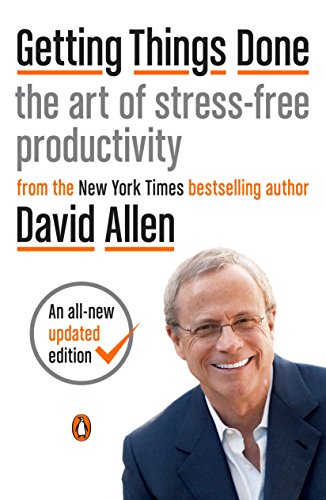
David Allen is a founding productivity guru, and his method for staying organized and managing projects is used by many, many people around the world. I was trained in the getting things done method a few years ago when I participated in a leadership development program. The method has helped me manage my writing projects and my personal and professional projects as well. I received a copy of the book after my training session, and I finally decided to read it and to more fully adopt Allen’s method.
The Getting Things Done method describes a process for:
- capturing all thoughts, ideas, and incoming request
- assigning these ideas to To Do list
- managing and advancing work on major project.
The method also describes how to organize materials for reference and storage. In short, Allen’s method described how to put activities on To Do lists and how to advance major projects so they are not a constant headache. I have benefited greatly from the Getting Things Done method. (I have also written about the Getting Things Done method on a previous post in my blog.)
Greg McKeown – Essentialism
In recent years, productivity studies have focused less on how to do everything and more on how to do only the few things that truly matter. McKeown’s book explains the important of essentialism – the idea of doing only what is necessary and of doing only the things that will have a major impact in your life in and career. I found the book a bit too simple and repetitive, but it makes a great point about the value of focusing on the few simple things that matter most.
Gary Keller – The One Thing
Gary Keller is the CEO of the Keller-Williams realtor company, and his describes how his career has benefited from focusing on “the one” important thing. Keller argues that every relationship, personal goal, work project, and even every day and every hour has “one thing” that will make everything else better. The book describes how to focus on that one thing and how getting that one thing done can make everything else better.
Chris Voss – Never Split the Difference
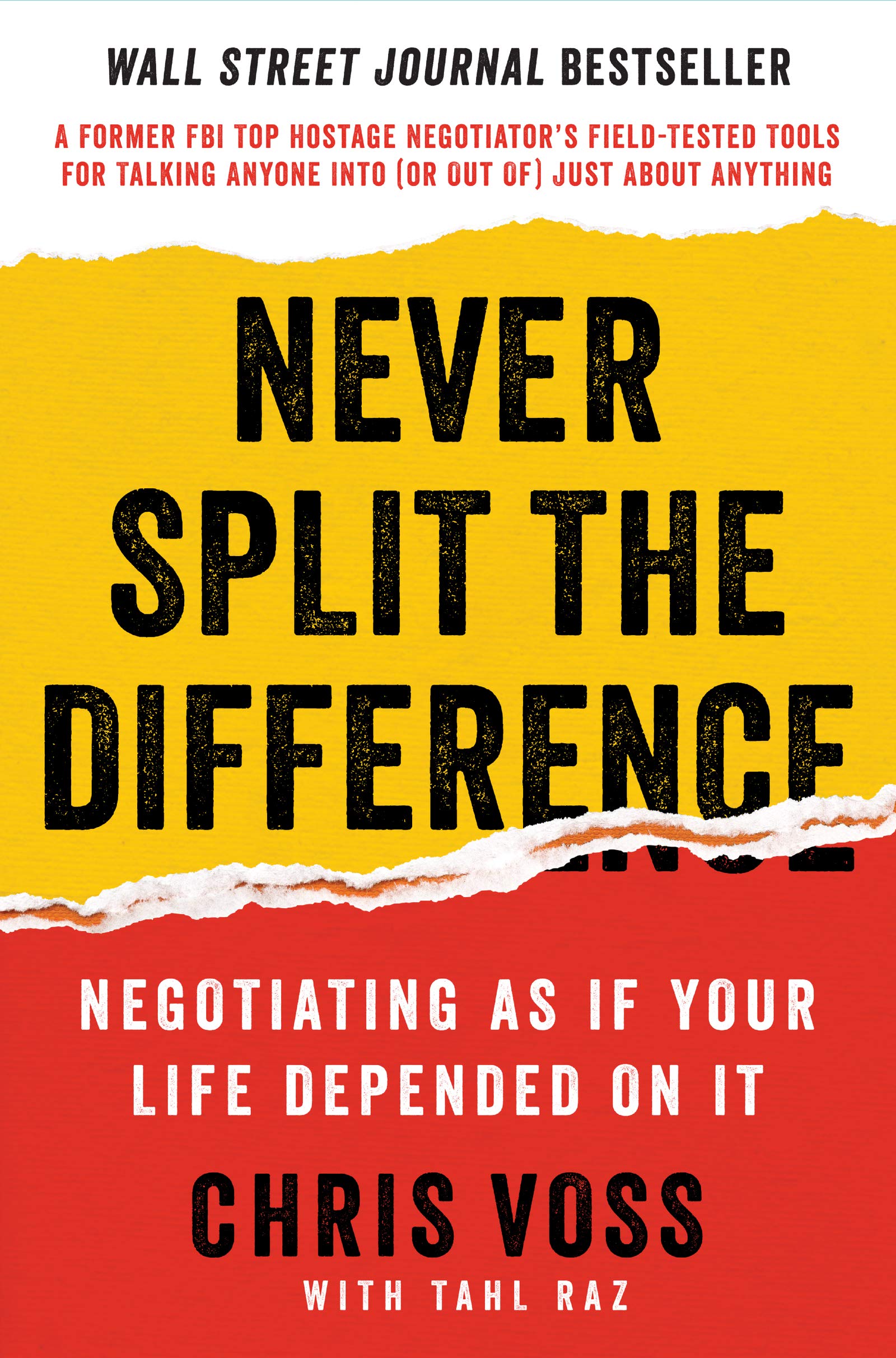
Chris Voss was a lead hostage negotiator for the FBI, and he is now a consultant and trainer for Black Swan, his training organization. Voss’s book describes many strategies for getting everything you want in a negotiation. In contrast to previous studies on negotiation, which urge a win-win situation and focus on “Getting to Yes,” Voss argues about the importance of people skills. Negotiation strategies he describes include close listening, “radical empathy,” asking open-ended questions, inviting the opposing side to offer solutions, and many more.
I found the book very entertaining, and his focus on people skills demonstrates that negotiations can be successful even when avoiding stereotypical negotiation strategies, such as meeting in the middle and “going for the kill” through an assertive personality.
I enjoyed reading all of these books, and I learned a lot about increasing productivity in both my personal and work life. I read about 45 books in 2020 in the areas of education, business management, personal productivity, and a few fictional novels. You can find summaries of books in all these categories in previous blog posts.
Lirim Neziroski, Ph.D., MBA is an academic administrator and faculty member with expertise in instructional technology, curriculum development, assessment, and strategic planning. Contact Lirim for speaking, consulting, and writing opportunities.


 Lirim Neziroski
Leave a reply to pilgrimagetowherever Cancel reply