I am writing a series of blog posts about the effects of Covid-19 on higher education. In this post, I explore the effects of Covid-19 on students. In many ways, the effect on students is indescribable. Their experiences were disrupted, important events were cancelled, relationships were split apart, and academic experiences were changed. At the same time, students were also experiencing the anxieties with family life, physical and mental health, unemployment, and other issues faced by the rest of the world.
Disruption in Student Life
Everything stopped in March 2020. Sporting events – whole seasons – got cancelled. Dorms were closed, and students were asked to stay home after Spring Break. At my university, students were not even allowed to return to their dorm rooms to retrieve their belongings. College libraries, cafeterias, computer labs, science labs were all shut down. Clinical sites, internships, student teaching experiences, and service-learning projects were all cancelled. Many professors still talk about how students were “kicked out” of these settings.
The semester – the whole world – seemed to be coming to an end. There was a palpable sadness all around, a kind of heaviness in the air. Students were scared, uncertain, and lonely.
My university had a large number of student athletes. All of a sudden, students who had grown up on basketball and other sports, and had finally realized their dreams of playing a college sport, were no longer able to play the sport they loved. They couldn’t even meet their friends and teammates or continue with their physical training and practice.
Disruption continued on many major life events. Seniors could not attend any “senior night” celebrations. No awards night. No prom. No graduation ceremony.

In my community, the high school light up the football stadium on Friday nights, and students and people in the community did a drive-by celebration. Many schools mailed diplomas, and they hosted virtual graduation speeches or ceremonies. They also created video collages of graduating students.
As an educator and a parent, this was all very sad to see. Many of us were inspired to pursue a career in education because of the memorable experiences we had, and we were deeply saddened to see these experiences denied to our students.
Online Learning
Almost all academic programs moved to an online platform. All of a sudden, concerns about technology accessibility became a major issue. Students didn’t have reliable computers or high-speed internet, and they didn’t all have webcams for virtual class meetings and online exams.
The nature of the class also changed. What may have been a traditional or average classroom experience of taking notes from a lecture or a PowerPoint presentation now became a live online lecture or a recorded video or an online discussion or simply a reading assignment and a worksheet. Science labs became take-home projects. Clinical skills courses became online videos.
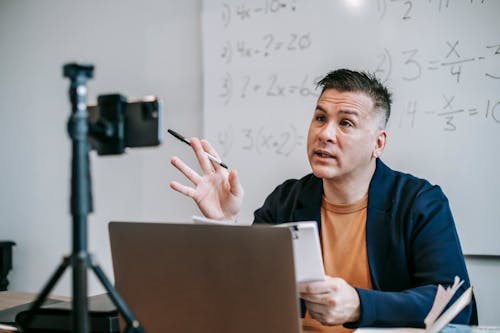
Perceptions of online learning was not positive. Many traditional students go to a residential college not only for the education but also for the campus life, friendships, athletics, the opportunity to be on their own, and so on. According to this survey described by Inside Higher Ed, “eighty-four percent of students … said that their social life was the No. 1 aspect of the college experience that they missed during the pandemic.” Much of that was now gone.
In some cases, the online learning was not very good. Instead of live lectures from an experienced and engaging professor and rigorous class discussions with peers, some online courses had only readings and quizzes and a few non-substantive online discussions. For students who enjoy school because it is a social experience – an entertaining and engaging classroom professor, the ability to take the same courses with friends from high school – online courses felt lonely and unengaging.

On the other hand, other courses became overwhelming. In an effort to create engagement, some instructors created many online activities and assignments students never had to complete before. For example, instead of clinical experiences and internships, students had to watch a series of online videos, answer questions on a worksheet, and complete a case study based on the assignment. In other words, an experience-based learning activity became a multi-assignment writing project.
At first, the online course had a shared sense of community. Many of the students had met each other in class before March, and they had that in-person experience to rely on as they studied together online. Plus, the online experience was predicted to be very temporary. At my university in the Chicago area, the initial “shutdown” and move to online learning was supposed to last from March 17 to March 30 – only a two-week period. Eventually, however, the online experience dragged on, and students lost touch with classmates. In the following semesters, some courses continued online, while others returned to some in-person or hybrid formats. This difference in class experiences broke down the sense of a shared experience. Students in different courses – and even in the same courses – were experiencing different learning environments because of how they participated in the course.
Perhaps because of some of these issues, many students changed their academic plans. In my previous blog post about enrollments, I described how a large number of students chose to enroll in fewer courses per semester and even to skip a whole semester so they could spend more time with their kids, families, or at work.
No Spontaneous Experimentation
In many ways, the college experience is about spontaneous moments and conversations with classmates, students at an athletic event, and instructors in the hallway. It is also about activities that encourage you to experiment with a new personal identity. Often, students (like myself) find a new voice and a new sense of self at college. They create a persona and a world that is different from their home life. In my experience, college allowed me to explore the arts and the thinker’s life. I never had that at home. I didn’t grow up with books, and our conversations at the dinner table were never about philosophical and literary ideas.
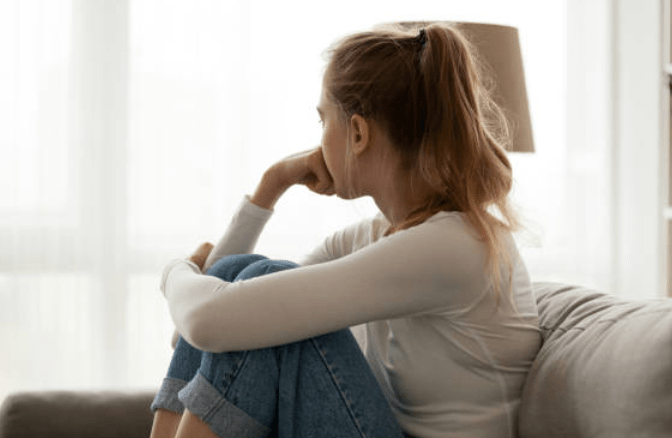
During the pandemic, many students lost the world they had created at college, and it felt like something deeply personal had been taken away. Many new students also lost the opportunity even to experiment with this kind of personal development and world-building. Although it’s too early to know the long-term consequences of this, people already speculate that students may struggle with social and psychological skills, such as an understanding of diversity, their place in the world, and an ability to communicate with others. Instead, there is a lot of isolation, and some students may have to struggle with challenging and non-positive home environments.
Like the rest of the world, students also felt more stressed, anxious, and concerned about issues not related to education, such as physical and mental health, their jobs, their prospects for the future, their social life, and necessities at home.
Feedback
What are you hearing from your students? How are they responding to the Covid pandemic?
Lirim Neziroski, Ph.D., MBA is a higher education administrator, education consultant, and previous faculty member with expertise in higher ed leadership, instructional technology, curriculum development, academic assessment, program leadership, and strategic planning. Contact Lirim for speaking, consulting, and writing opportunities.
 Lirim Neziroski
Leave a comment