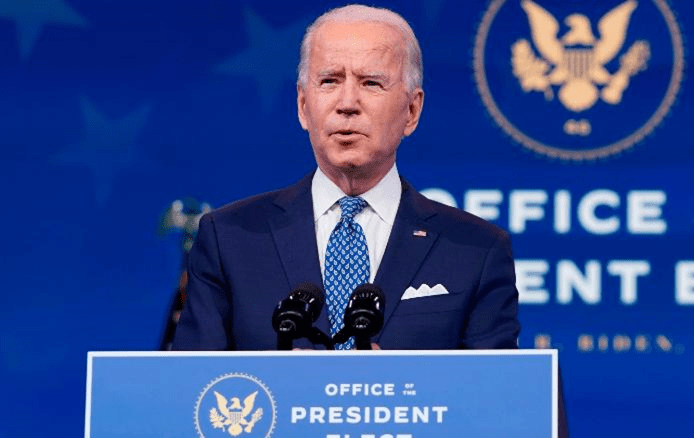
With results from the 2020 presidential election wrapping up, many educators are looking forward to Joe Biden’s education-friendly government policies. As Biden himself declared in his election victory speech, “this is a great day” for American educators, and he pointed out that Dr. Jill Biden is an educator herself. His Plan for Education Beyond High School has also proposed “a bold plan for education and training beyond high school that will give hard-working Americans the chance to join or maintain their place in the middle class.” This blog post provides an overview of what educators can expect from the Biden Administration.
“Free College”
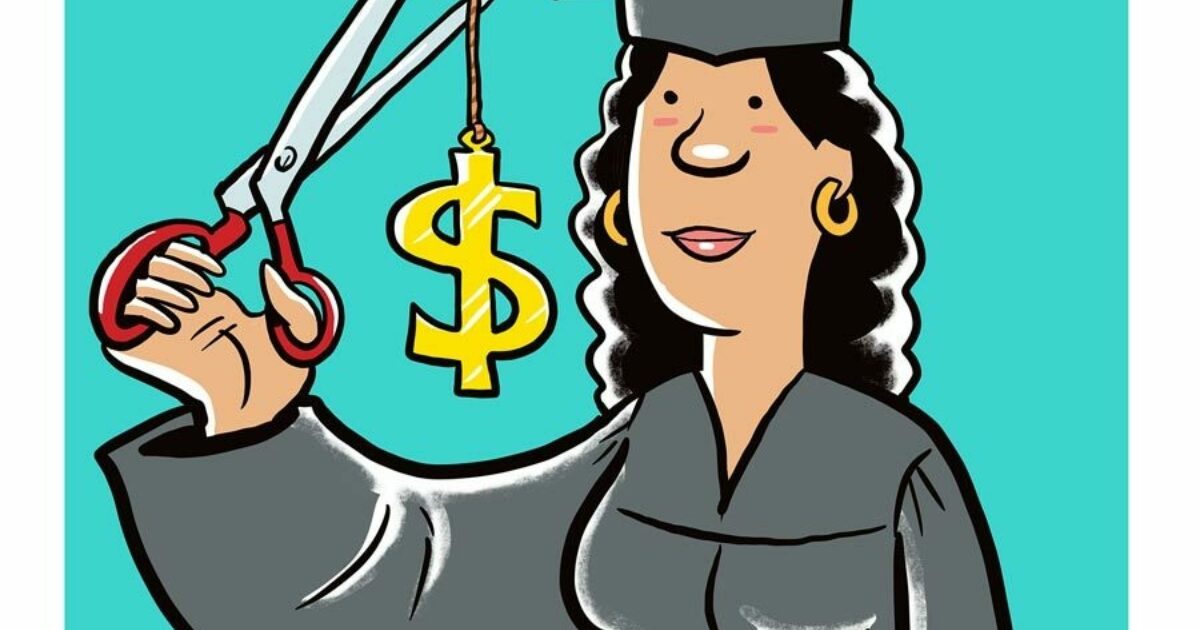
Affordability and access to quality higher education has been a major issue for years, and it is now among the highest strategic priorities at many higher education institutions. Biden’s Plan for Education promises to provide two years of free tuition for an under-graduate program (for families earning below $125,000) at a community college, minority-serving institution, or state university. The Plan also promises to double the value of Pell grants. According to the Plan, the Pell grant used to cover 70-80% of the cost of a four-year degree, but today it covers only 30%. Biden plans to increase the value of the Pell grant.
Workforce Training
Biden’s Plan for Education promises to provide $8 Billion in support to community colleges for improvements to infrastructure and technology. It also promises to provide $50 Billion in funding for workforce training programs through apprenticeship programs and partnerships between businesses and higher ed institutions. Another proposal in the Plan is to provide priority support for work study programs in public service roles.
Student Debt Relief
Student debt was another major talking point in both the 2016 and 2020 presidential elections, thanks in large part to Bernie Sanders and Elizabeth Warren, and it has regained urgency discussions about in the Covid-19 stimulus plan. Americans now owe $1.5 Trillion in student debt, and as Sen. Warren tweeted on Nov. 16:
“Student loan debt is holding back a whole generation from buying homes, starting small businesses, and saving for retirement — all things we rely on to grow our economy.”
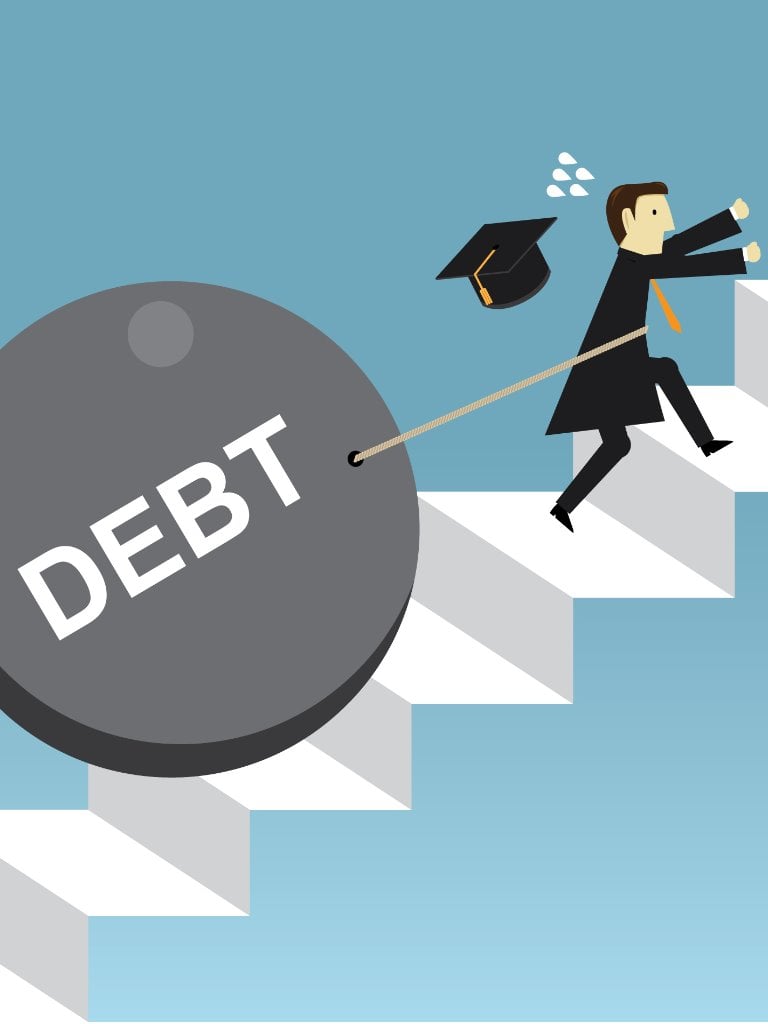
Biden has echoed this idea by stating that Americans with student debt are “in real trouble. They’re having to make choices between paying their student loan and paying their rent.” (Inside Higher Ed, “Biden: Student Debt Relief“)
Many people expect some form of relief for student debt very soon. For example, over 235 organizations have signed a letter to request that Biden use “executive authority to cancel federal student debt on Day One.” And Biden himself has promised to cancel $10,000 of debt immediately as part of the Covid-19 economic stimulus plan (Inside Higher Ed, “Biden Urged to Cancel Student Debt“).
Meanwhile, Senate Democrats and many educational organizations have requested a much higher loan forgiveness. Sen. Elizabeth Warren and Sen. Chuck Schumer have called on Biden to forgive $50,000 in student debt for all borrowers. But other political leaders have called for aggressive debt relief only for low-income, minority, and first-generation students, who tend to have higher levels of student debt and who take a longer time to repay it (The Chronicle of Higher Education, “After Biden is Sworn In). For example, Adam Looney, who served in the Treasury Dept. during the Obama Administration, wrote in a Washington Post Op-Ed, “Many student-borrowers need relief… but well-off borrowers who are thriving — thanks, no doubt, to their college degrees — do not.”
Biden’s Plan for Education also promises to pause payback on student loans for low-income graduates. According to the Plan, graduates who earn less than $25,000 will not owe any payments towards their undergraduate student loans, and their loan won’t accrue interest. And, any remaining loan balance after 20 years will be forgiven for graduates who have been making regular payments. The Plan also proposes to change the tax code so that student loan forgiveness will not be taxed, as it is now.
Student Success
Student success — often defined as student retention and program completion/graduation — is also among the highest strategic priorities at many higher education institutions, and Biden’s Plan for Education promises to “support community colleges [in] implementing evidence-based practices and innovative solutions to increase their students’ retention and completion of credentials.” This includes funding for academic and career advising, dual enrollment, articulation, and faculty professional development through a “Title I” grant program for higher education. Specifically, the Plan proposes $10 Billion in program funding to “increase enrollment, retention, completion, and employment rates.”
Biden’s Plan for Education also promises to “tackle barriers to completion,” and it will allow students to use Pell grant funding to cover expenses beyond tuition and fees. There is also a proposal for additional “wraparound support services … [for] veterans, single parents, low-income students, students of color, and students with disabilities who may face unique challenges.”
Support for Minority, Diversity, and International Programs
According to the Washington Post, Joe Biden is planning to sign several executive orders that will reverse limitations on education set by the Trump Administration. These include undoing travel restrictions on international students and providing protections against deportation for “Dreamers.”
With VP-Elect Kamala Harris as a graduate from an HBCU, there is also hope that more research funding will go to historically black colleges (Inside Higher Ed, “Biden’s HBCU Research Agenda“). According to Inside Higher Ed, HBCUs have collectively received only one percent of research grants by several federal organizations, including the Dept. of Health and Human Services and the National Science Foundation. Biden’s Plan for Education promises to “support colleges and universities that play unique and vital roles in their communities, including Historically Black Colleges and Universities and Minority-Serving Institutions.” Specially, the Plan proposes to provide $10 Billion in grants to create 200 new centers of excellence at HBCUs, and another $20 Billion for infrastructure development for research facilities, historic preservation programs, new enrollments, and new technology.
Joe Biden’s Plan for Justice has also promised to address institutional racism throughout the United States, and many students and educators are hopeful that these policies, and Kamala Harris’s record on race, will also promote diversity and equal opportunity in higher education (Inside Higher Ed, “Students Hope Biden Administration…“).
Other hopes are that Biden will undo Title IX policies enacted by DeVos. During the Trump Administration, a new policy required that there be an-person courtroom-style, cross-examination for sexual assault cases on campus, a requirement that many people believe made it less likely for victims of sexual assault to come forward (Inside Higher Ed, “Colleges Want Biden to Undo“).
Summary
There is much hope and expectation that President-Elect Biden will start to have an immediate positive impact on higher education through executive orders, especially on student debt relief. But long-term and major infrastructure support for higher education will need to come through Congress. Biden has argued that he is skilled at reaching agreements with lawmakers across the isle; with such an evenly-divided Senate, he will need to gain a lot of bipartisan support.
What government policies or support would you like to see for higher education? Make a comment below, or use the Contact form linked above to email me.
Lirim Neziroski, Ph.D., MBA is an academic administrator and faculty member with expertise in instructional technology, curriculum development, assessment, and program leadership. Contact Lirim for speaking, consulting, and writing opportunities.
 Lirim Neziroski
Leave a comment